

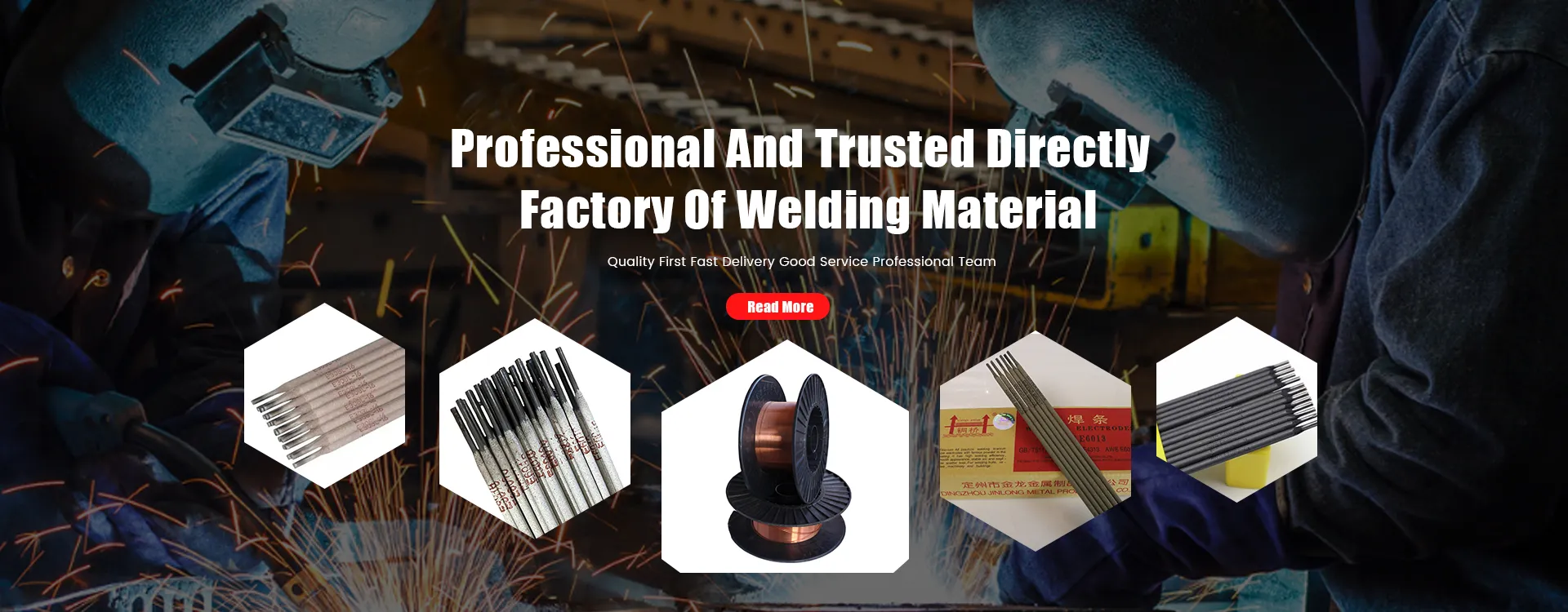

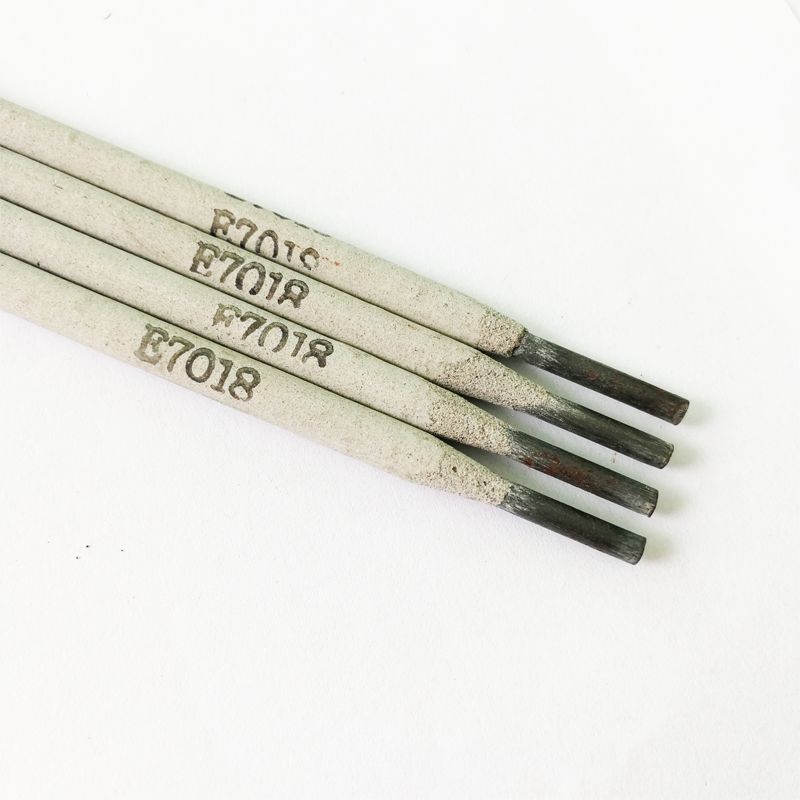
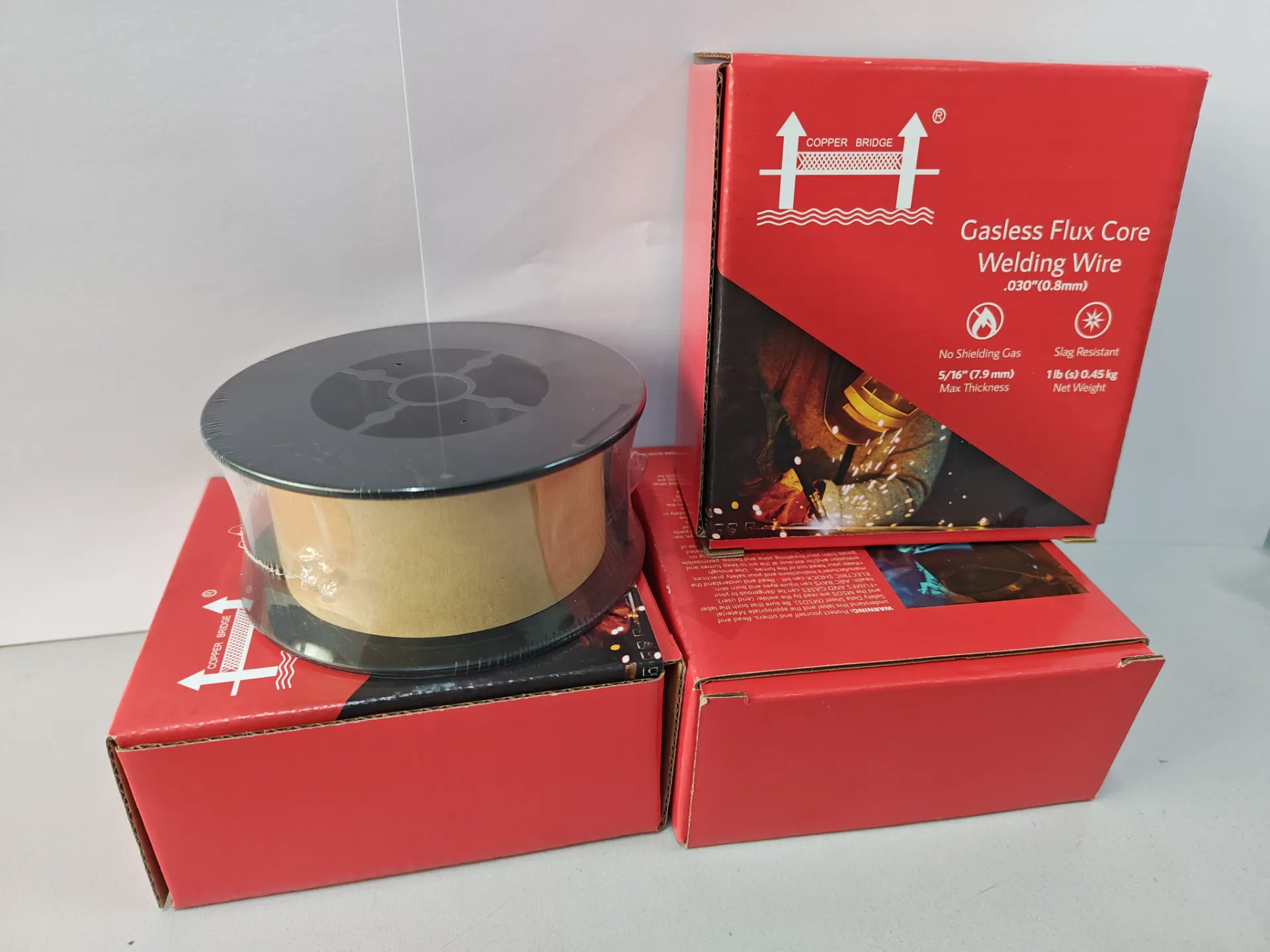
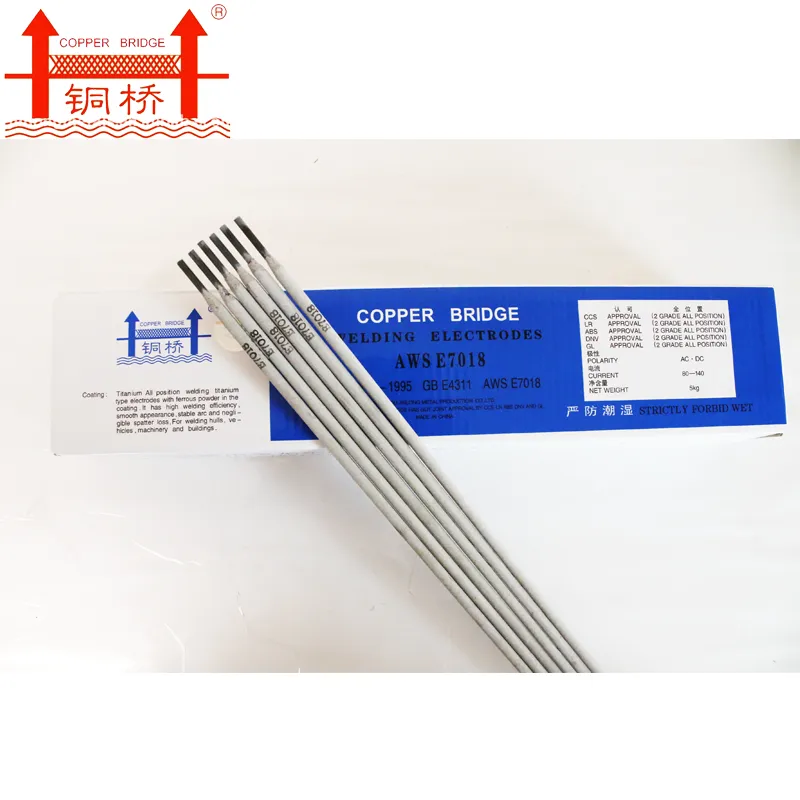

10 lb spool of mig wire
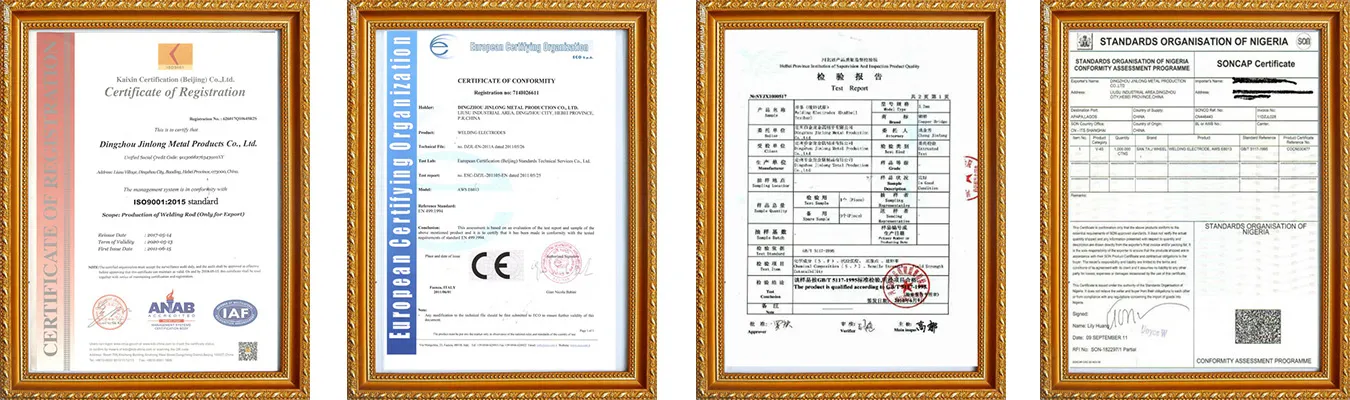
Understanding Tubular Wire: A Core Technology in Wear-Resistant Surfacing The demand for advanced materials in industrial applications continues to surge, particularly for solutions that extend the service life of critical components operating under extreme conditions. Central to this evolution is tubular wire , a sophisticated consumable engineered for high-performance welding and surfacing. Specifically, Wear-Resistant Surfacing Cored Wire Flux Cored Welding Wire represents a frontier in material science, offering unparalleled protection against abrasion, erosion, impact, and corrosion. This comprehensive overview delves into its manufacturing, technical advantages, applications, and market landscape, providing insights crucial for B2B decision-makers and technical professionals. Manufacturing Process Flow of Tubular Wire The production of high-quality tubular wire , particularly for wear-resistant surfacing, is a meticulous multi-stage process that combines precision engineering with advanced metallurgical knowledge. This ensures the final product delivers superior performance characteristics required for demanding industrial environments. Process Overview: Strip Preparation: High-quality low-carbon steel strip, carefully selected for its formability and purity, is uncoiled and precisely cleaned to remove any contaminants that could affect the final product's integrity. Flux Core Filling: The cleaned strip is then formed into a U-shape. A precisely measured blend of powdered metallic and non-metallic ingredients (the "flux") is continuously fed into the U-channel. This flux determines the metallurgical properties of the weld deposit, including its hardness, wear resistance, and crack resistance. Typical materials include ferroalloys (e.g., FeCr, FeMn, FeMo), metal powders (e.g., tungsten carbide, titanium carbide, nickel, chromium), and slag-forming compounds. Forming and Sealing: The U-shaped strip, now containing the flux, is progressively closed into a tubular form, often with an overlapping or interlocked seam. This process is typically achieved through a series of rollers, ensuring uniform compaction of the flux and consistent wire diameter. Drawing and Sizing: The initial large-diameter tube is drawn through a series of dies to reduce its diameter to the desired final specification. Cold drawing compacts the flux further, hardens the outer sheath, and improves the wire's conductivity and feedability. Intermediate annealing steps may be employed to prevent work hardening and allow further reduction. Spooling and Packaging: The finished tubular welding wire is carefully wound onto spools or coils, ensuring consistent tension and preventing kinks or tangles. Each spool is then packaged to protect it from moisture and damage during storage and transport. Quality Control & Testing Standards: Throughout the manufacturing process, rigorous quality control measures are implemented to ensure the highest product standards. This includes: Material Traceability: Ensuring all raw materials meet specifications (e.g., ISO 9001 certified suppliers). Chemical Analysis: Regular sampling of flux and final weld deposits to verify chemical composition, often adhering to ASTM, AWS (American Welding Society), or EN (European Norm) standards. Mechanical Testing: Tensile strength, hardness (e.g., Rockwell, Vickers), and impact testing (e.g., Charpy V-notch) of weld deposits. Metallographic Examination: Microscopic analysis of weld cross-sections to assess microstructure, porosity, and inclusion content. Welding Performance Tests: Evaluating arc stability, spatter levels, slag detachability, and deposition rates under controlled conditions. Our adherence to international standards such as ISO 9001 for quality management and specific AWS D1.x and EN ISO 17632 standards for flux cored wires ensures that every batch of Wear-Resistant Surfacing Cored Wire Flux Cored Welding Wire delivers consistent, reliable performance. Industry Trends & Market Dynamics The global market for tubular wire , particularly in the wear-resistant sector, is experiencing robust growth driven by several key trends: Increased Automation: The shift towards robotic and automated welding processes demands highly consistent welding consumables like flux cored wires, which offer excellent feedability and stable arc characteristics. Demand for Extended Service Life: Industries like mining, cement, and power generation face immense pressure to reduce downtime and maintenance costs. Wear-resistant surfacing with specialized tubular welding wire offers a cost-effective solution by significantly prolonging component life. Sustainability Initiatives: Repair and refurbishment using surfacing techniques are often more environmentally friendly than component replacement, reducing raw material consumption and waste. High-Performance Alloys: Continuous innovation in flux formulations leads to wires depositing advanced alloys, including complex carbides and intermetallic compounds, tailored for specific wear mechanisms (e.g., extreme abrasion, high-temperature erosion). Emerging Markets: Rapid industrialization in developing economies fuels demand for durable equipment and, consequently, for effective wear protection solutions. According to industry reports, the global market for flux-cored arc welding (FCAW) consumables, inclusive of wear-resistant types, is projected to reach over USD 8 billion by 2028, with a significant CAGR, underscoring the vital role of these technologies in industrial resilience and efficiency. Technical Specifications & Performance Parameters Our Wear-Resistant Surfacing Cored Wire Flux Cored Welding Wire is meticulously engineered to meet stringent technical specifications, ensuring optimal performance across a spectrum of industrial challenges. Below are typical parameters for a high-chromium carbide rich deposit, a common type of wear-resistant tubular wire . Typical Product Specifications: Parameter Value/Description AWS Classification A5.21 / EFeCr-A1 (example for high chrome) Hardness (HRC) 58 - 65 HRC (Single layer on mild steel) Typical Chemical Composition (Wt%) C: 3.0-5.0, Cr: 20.0-30.0, Mn: 0.5-2.0, Si: 0.5-2.0, Fe: Bal. Wire Diameter 1.2 mm, 1.6 mm, 2.0 mm, 2.4 mm, 2.8 mm, 3.2 mm Shielding Gas No Gas (Self-shielded), or CO2 / Ar+CO2 mixes (Gas-shielded) Welding Current DCEN (Direct Current Electrode Negative) or DCEP (Direct Current Electrode Positive) depending on type Typical Deposition Rate 4 - 12 kg/hr (Varies with wire diameter and parameters) Microstructure Primary chromium carbides (M7C3 type) in an austenitic/martensitic matrix Key Technical Advantages: Superior Wear Resistance: The high content of primary carbides, such as chromium carbides (M7C3), provides exceptional resistance to severe abrasive wear, sliding abrasion, and erosive wear. High Deposition Efficiency: Flux-cored wires generally offer higher deposition rates and efficiencies compared to solid wires, leading to faster welding and reduced labor costs. Excellent Weldability: Stable arc characteristics, minimal spatter, and good bead appearance contribute to ease of use and reduced post-weld cleaning. All-Position Capability: Certain self-shielded variants allow for welding in various positions, increasing application flexibility. Corrosion and Heat Resistance: Depending on the alloy formulation, specific wires can also offer enhanced resistance to corrosion and retain hardness at elevated temperatures, extending service life in harsh chemical or thermal environments. Cost-Effectiveness: By significantly extending the service life of components, the total cost of ownership is reduced through fewer replacements and less downtime. Application Scenarios & Target Industries The versatility and robust performance of wear-resistant tubular wire make it indispensable across a wide range of industries where components are subjected to aggressive wear mechanisms. Target Industries: Mining & Aggregates: Protecting excavator buckets, crusher jaws, chute liners, conveyor screws, and grinding mill components from severe abrasive wear by rock and ore. Cement & Concrete: Surfacing vertical mill rollers, clinker grinders, fan blades, and raw meal pipes to resist extreme abrasion and impact from abrasive powders and aggregates. Power Generation: Extending the life of coal pulverizer rolls, exhauster fan blades, ash handling systems, and boiler tube protection against erosion from pulverized fuel. Steel Manufacturing: Repairing and protecting sinter plant components, coke oven machinery, blast furnace bells, and roll surfaces against high-temperature wear and impact. Petrochemical & Oil & Gas: Applying corrosion and erosion-resistant overlays to valves, pump impellers, pipelines, and drilling tools operating in harsh chemical environments. Agriculture: Hardfacing tillage tools, excavator teeth, and shredder blades to improve durability and reduce replacement frequency. Recycling: Protecting shredder hammers, grates, and conveyor screws from severe impact and abrasion when processing waste materials. Demonstrated Advantages in Typical Application Scenarios: Energy Saving: By maintaining component efficiency (e.g., sharp cutting edges on augers, smooth surfaces on fans), less energy is required to operate equipment, leading to significant operational cost reductions. Corrosion Resistance: For components in chemical processing or offshore environments, specialized alloys within the tubular wire provide a protective layer against aggressive corrosive agents, preventing premature failure. Reduced Downtime: The primary advantage is the dramatic extension of component service life, which directly translates to fewer planned and unplanned maintenance stoppages, thereby increasing overall plant productivity and availability. Cost Efficiency: Repairing and rebuilding worn components with surfacing wire is often significantly cheaper than purchasing new replacement parts, offering substantial savings on capital expenditure. Vendor Comparison & Customization Solutions Choosing the right vendor for wear-resistant tubular wire is critical. While many suppliers offer standard products, true value lies in a partner's ability to provide customized solutions and comprehensive support. Our company, with over two decades of experience, stands out in several key areas: Key Differentiators in Vendor Selection: Feature Generic Vendor Our Commitment (Jinlong Welding Electrode) Product Quality & Consistency Variable, adherence to basic standards. ISO 9001 certified, rigorous QC at every stage, exceeding AWS/EN standards. Guaranteed chemical and mechanical properties. R&D and Innovation Limited, focus on existing product lines. Dedicated metallurgical R&D team, continuous development of new alloy formulations for specific wear challenges. Technical Support Basic product data sheets. Experienced application engineers, on-site consultation, welding procedure optimization, post-sales technical assistance. Customization Capability Minimal, typically off-the-shelf products. Extensive ability to tailor alloy composition, wire diameter, packaging, and specific performance attributes. Lead Times & Logistics Standard lead times, less flexible. Optimized supply chain for efficient delivery, flexible scheduling for large orders, global distribution network. Customized Solutions: We understand that unique wear problems require unique solutions. Our customization services for tubular welding wire include: Alloy Design: Developing specific flux compositions to achieve targeted microstructures and performance, such as enhanced impact toughness, increased high-temperature hardness, or specialized corrosion resistance. This might involve adjusting carbon, chromium, molybdenum, tungsten, or vanadium content. Diameter & Packaging: Producing wires in non-standard diameters or specialized spooling configurations to integrate seamlessly with existing robotic welding systems or specific operational requirements. Application-Specific Testing: Conducting simulations or joint testing with clients to validate customized wire performance under actual operating conditions before full-scale deployment. Our experienced team collaborates closely with clients, from initial material analysis to final product implementation, ensuring the optimized solution precisely matches their operational demands and extends component life significantly. Application Case Studies Real-world applications underscore the effectiveness and value of our Wear-Resistant Surfacing Cored Wire Flux Cored Welding Wire. Case Study 1: Cement Mill Roller Protection Challenge: A major cement producer faced rapid wear on their vertical roller mill (VRM) grinding rollers due to extreme abrasion from clinker and raw materials, leading to frequent maintenance and significant downtime every 3-4 months. Solution: We recommended a high-chromium carbide tubular wire (e.g., EFeCr-A1) specifically formulated for high-abrasion resistance. Our technical team provided on-site training for hardfacing procedures, optimizing welding parameters for multi-pass application. Results: Post-application, the service life of the VRM rollers extended to 10-12 months, a 200% improvement. This resulted in a 65% reduction in maintenance costs, a 75% decrease in downtime, and an estimated annual savings of over USD 500,000 in replacement parts and lost production. Case Study 2: Mining Excavator Bucket Repair Challenge: An open-pit mining operation experienced severe impact and gouging abrasion on their excavator bucket teeth and lips. Frequent replacement of these high-wear parts was a significant operational expense and bottleneck. Solution: We supplied a complex carbide tubular welding wire , designed to offer a balance of hardness and impact resistance. The wire was applied to rebuild and hardface the worn areas, creating a robust protective layer. Results: The hardfaced bucket components demonstrated a 150% increase in operational life compared to unprotected parts. This allowed for extended operational cycles between maintenance events, reduced material consumption, and minimized the environmental impact associated with new component manufacturing and disposal. Customer feedback highlighted improved digging efficiency and reduced fuel consumption due to better cutting edge integrity. Frequently Asked Questions (FAQ) Q1: What types of wear can Wear-Resistant Surfacing Cored Wire effectively combat? Our tubular wire formulations are designed to combat a wide range of wear mechanisms, including severe abrasive wear, erosive wear, impact wear, and to some extent, combinations of these with corrosion and heat. Specific wires are optimized for different dominant wear types. Q2: What is the typical lead time for an order of Wear-Resistant Surfacing Cored Wire? For standard products, our typical lead time is 2-4 weeks, depending on order volume and current production schedules. For customized solutions, lead times will be quoted individually based on the complexity of development and manufacturing. We prioritize efficient fulfillment to minimize disruption to your operations. Q3: What kind of warranty do you offer on your products? We stand behind the quality of our Wear-Resistant Surfacing Cored Wire. All products are warranted to meet our published specifications and industry standards (e.g., AWS, ISO) at the time of delivery. In the rare event of a material defect, we offer replacement or credit, subject to our standard terms and conditions. Q4: How do I get technical support or consult on a specific application? Our dedicated technical support team is readily available. You can contact us via the details provided on our website (https://www.jinlongweldingelectrode.com). We offer application guidance, welding parameter optimization, and metallurgical consultation to ensure you achieve the best results with our tubular wire products. Authoritative References American Welding Society. (2018). AWS A5.21/A5.21M:2018 Specification for Bare Electrodes and Rods for Surfacing. Miami, FL: American Welding Society. International Organization for Standardization. (2015). ISO 9001:2015 Quality management systems – Requirements. Geneva, Switzerland: ISO. ASM International. (2008). ASM Handbook, Volume 6: Welding, Brazing, and Soldering. Materials Park, OH: ASM International. Klement, U. (2013). Wear of Materials. Cambridge, UK: Woodhead Publishing.

WHAT CUSTOMERS SAY
The welding rods and wires from this company are of excellent quality and reliable performance. Their products provide consistent results, meeting our production needs perfectly. Customer service is professional and responsive, always addressing inquiries promptly. Deliveries are timely, ensuring our operations run smoothly without delays.
——Helen

EXCLUSIVE CUSTOMIZED SERVICE

Feel free to reach out anytime.

Please tell us more about what you need.

We’ll finalize the date shortly.

We’ll make sure to note down your request.

Contact us online anytime.

Ensuring consistent production quality.

Get in touch with us online.

Caring every step.

 English